ARM, RISC-V, and AI
Three questions on the ARM vs. RISC-V battle — what RISC-V actually has going for it in the AI era, why ARM is now making its own SoC, and where RISC-V still has ground to cover.
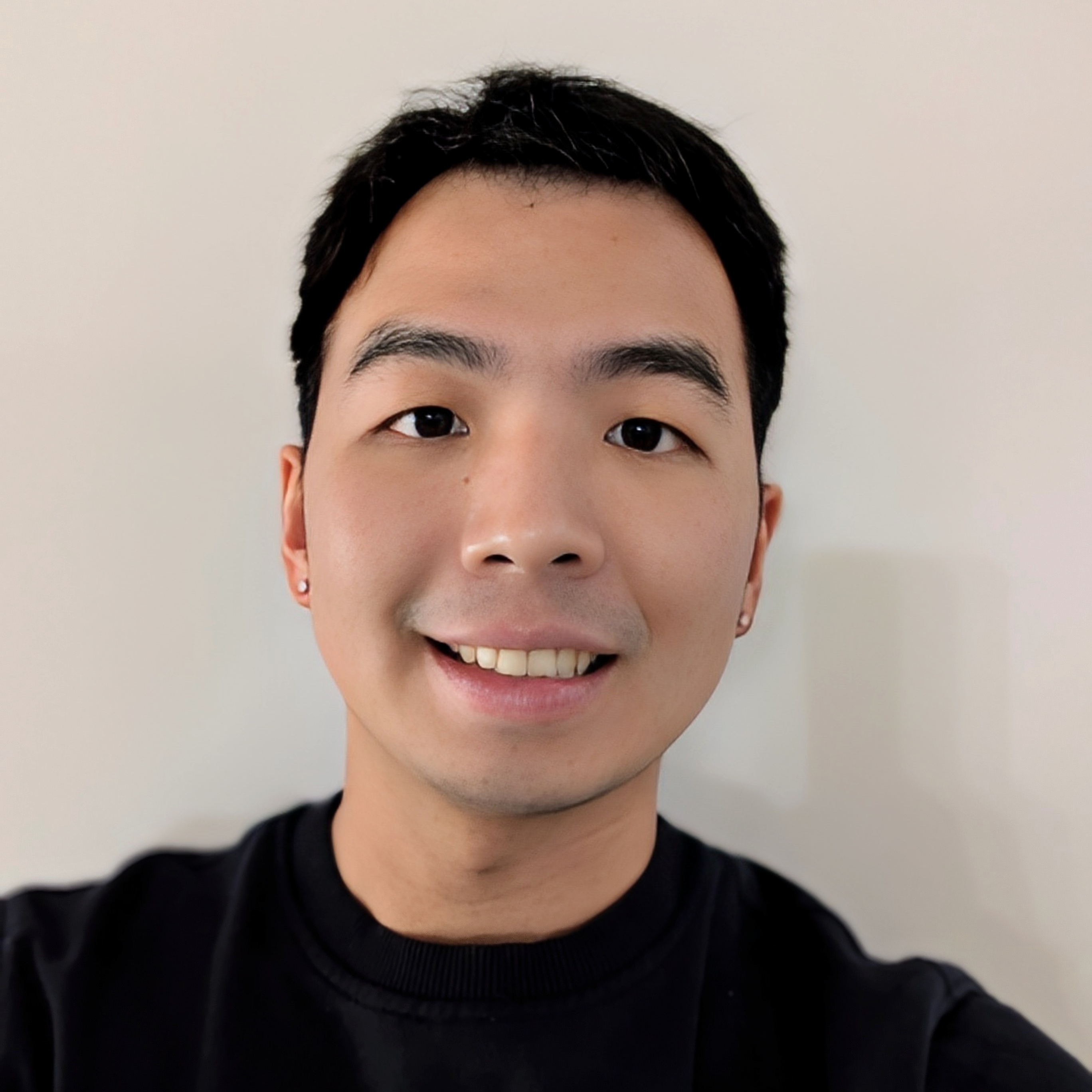
Shibo Chen is a Senior Architect at Tenstorrent. He works on chiplet-based AI/ML accelerator systems, with a focus on NoC and D2D interconnect architecture and memory systems. He received his PhD and Bachelor’s degree from the University of Michigan.
PhD in Computer Science and Engineering
University of Michigan, Ann Arbor, MI
Graduate Certificate in Innovation & Entrepreneurship
University of Michigan, Ann Arbor, MI
BSc in Computer Science with High Distinction
University of Michigan, Ann Arbor, MI
Technical notes, updates, and thoughts.
Three questions on the ARM vs. RISC-V battle — what RISC-V actually has going for it in the AI era, why ARM is now making its own SoC, and where RISC-V still has ground to cover.
It is not just about separating work from life — it is about not missing the serendipitous collisions that only happen in person.
AI-native workloads, edge fragmentation, and faster experimentation are pushing architecture back to the center of hardware value creation.
As prototyping, validation, and silicon feedback loops shrink from months to days, chip development will start to move at a cadence much closer to software.
Getting real leverage from AI requires more than adding a model to existing processes. It requires rethinking workflow design, sign-off cost, and the role of infrastructure.